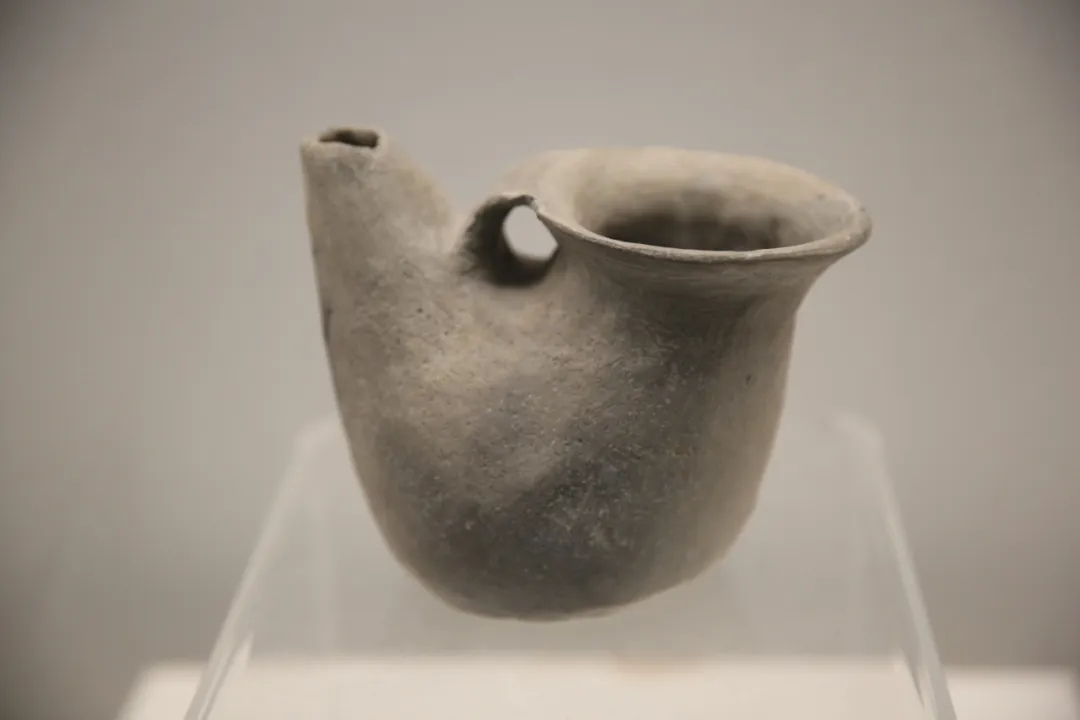
Hemudu Culture
Introduction
Hemudu Culture represents a significant Neolithic civilization that emerged around 7,000 to 5,000 years ago, primarily situated in the lower reaches of the Yangtze River in present-day Yuyao, Zhejiang province. This culture is distinguished by its remarkable artifacts, advanced pottery and early agricultural practices. The Hemudu Culture has garnered substantial interest from archaeologists and historians alike due to its contributions to understanding the development of early human societies in this region. The notable archaeological discoveries that define this culture include rice remains, stilted wooden structures, pottery containing rice husk ash and exquisite handicrafts, all of which offer a glimpse into the daily lives of the people from this era.
Discovery and Excavation
The Hemudu Culture site was first discovered in 1973 in Yuyao, Zhejiang province. The excavation of this site over the past fifty years has provided invaluable insights into the daily life and cultural achievements of the Hemudu people. During these excavations, a plethora of cultural relics were uncovered, allowing archaeologists to piece together a vivid picture of the Hemudu civilization.
The site has revealed evidence of stilted wooden structures, sophisticated pottery techniques, and early rice agriculture, highlighting the advanced nature of this Neolithic society. The archaeological findings at Hemudu have played a crucial role in expanding our understanding of early Chinese civilization, particularly in relation to the development of agriculture and craftsmanship.
Historical Context
The Hemudu Culture existed during the Neolithic period, and this period was characterized by significant advancements in human society, including the development of agriculture, the creation of permanent settlements and the production of pottery. The Hemudu Culture emerged in the context of these broader cultural shifts, contributing uniquely to the region's prehistoric development. It is one of several early cultures in China that have challenged the conventional focus on the Yellow River as the sole cradle of Chinese civilization, emphasizing the importance of the Yangtze River and its surrounding areas in the formation of early Chinese society.
Cultural Characteristics
Pottery
Pottery from the Hemudu Culture is renowned for its innovation and complexity. Artifacts from the site reveal the use of rice husk ash in pottery, which suggests a sophisticated understanding of materials and techniques. The pottery is often decorated with intricate designs and patterns, providing insight into the aesthetic sensibilities and symbolic expressions of the Hemudu people. These ceramics are not only functional but also represent an important aspect of the culture’s artistic heritage.
Agriculture
Agriculture played a pivotal role in the Hemudu Culture, with rice cultivation being a notable achievement. The discovery of rice remains at the site indicates that the Hemudu people developed early rice-growing techniques, which were crucial for sustaining their population and supporting their community's economy. This agricultural innovation reflects the broader Neolithic trend of transitioning from hunting and gathering to settled agricultural societies.
Architecture
The architectural practices of the Hemudu Culture are exemplified by their stilted wooden structures. These buildings, elevated above the ground, likely served to protect inhabitants from flooding and provide ventilation, reflecting an adaptation to the environmental conditions of the region. The construction techniques used in these structures, including the potential use of mortise-and-tenon joints, highlight the Hemudu people's resourcefulness and understanding of engineering principles.
Tools and Artifacts
The Hemudu Culture produced a range of tools and artifacts that showcase their technological capabilities. Stone and bone tools, along with wooden implements, have been discovered at the site, indicating a diverse and adaptable toolkit. These tools were used for various purposes, including agriculture, construction and crafting, illustrating the Hemudu people's ingenuity and their ability to manipulate different materials for specific needs.
Social Structure
The social structure of the Hemudu Culture, while not fully understood, can be inferred from the archaeological findings. The presence of communal structures and shared agricultural practices suggests a society that valued cooperation and collective effort. The production of elaborate pottery and handicrafts indicates a division of labor and the presence of skilled artisans within the community. These factors point to a complex social organization that supported the culture's development and sustainability.
Religious Beliefs and Rituals
Religious beliefs and rituals of the Hemudu Culture are reflected in the artifacts and structures uncovered at the site. The use of symbolic motifs in pottery and the potential ceremonial use of certain objects suggest that the Hemudu people engaged in spiritual practices and rituals. While specific deities or belief systems have not been identified, the cultural artifacts imply a connection to natural elements and possibly ancestor worship, common themes in early human societies.
Influence and Legacy
The legacy of the Hemudu Culture is evident in its contributions to early agricultural practices, pottery techniques and architectural innovations. As one of the earliest known rice-cultivating societies, the Hemudu Culture laid the groundwork for future agricultural developments in the region. Its pottery and architectural styles influenced subsequent cultures, contributing to the broader tapestry of Chinese civilization. The discoveries at Hemudu have reshaped our understanding of the origins and diversity of early Chinese cultures, highlighting the Yangtze River's significant role in prehistoric development.
Preservation and Research
Efforts to preserve and study the Hemudu Culture continue to be a priority for archaeologists and historians. The site has been meticulously excavated and documented, with many artifacts displayed in museums, such as the Ningbo Museum, to educate the public about this important cultural heritage. Ongoing research aims to uncover more about the daily lives, social organization and technological advancements of the Hemudu people, ensuring that their contributions to human history are not forgotten.








